
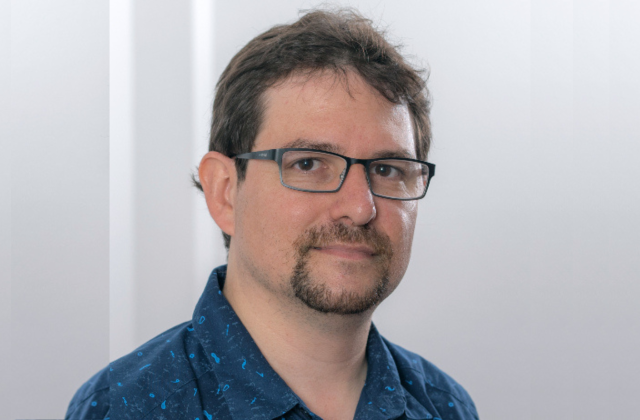
Professeur adjoint, Faculté des sciences et de génie, Université Laval
Pascal Germain est professeur adjoint au département d’informatique et de génie logiciel de l’Université Laval. Chercheur scientifique en apprentissage automatique, il exerçait ses fonctions jusqu’à tout récemment à l’Inria, l’Institut national de recherche dédié aux sciences du numérique, en France.
Ses domaines de recherche comprennent la théorie statistique de l’apprentissage, dont la théorie PAC-bayésienne, et les algorithmes d’apprentissage.
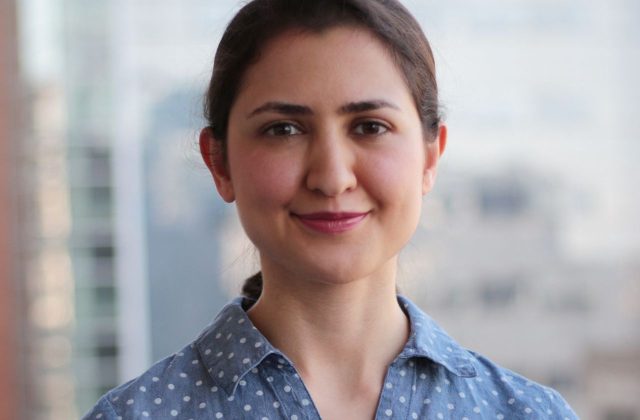
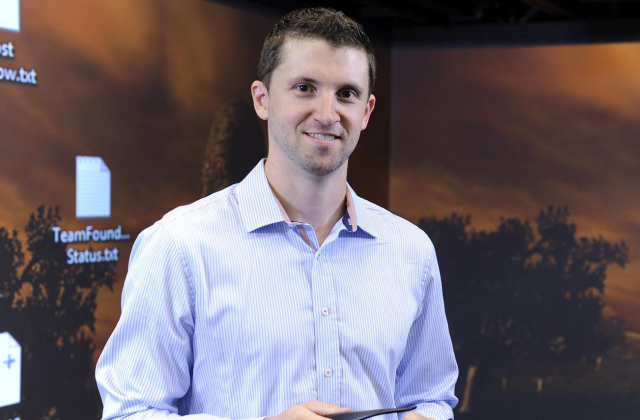
Professeur agrégé, Faculté des sciences et de génie, Université Laval
Jean-François Lalonde, Ph.D., est professeur agrégé dans la Faculté des sciences et de génie à l’Université Laval, dans le Département de génie électrique et de génie informatique. Il est membre de l’Institut intelligence et données (IID), du Centre de recherche en données massives (CRDM), et du Centre de recherche en Robotique, Vision et Intelligence Machine (CeRVIM) à l’Université Laval. Auparavant, il était stagiaire post-doctoral à Disney Research, Pittsburgh.
Il a obtenu son doctorat en robotique de Carnegie Mellon University en 2011. Sa thèse, intitulée “Understanding and Recreating Appearance under Natural Illumination,” lui a valu le CMU School of Computer Science Distinguished Dissertation Award.
Ses intérêts de recherche se trouvent à l’intersection de la vision numérique, l’infographie, et l’apprentissage automatique. En particulier, il s’intéresse à la façon dont les modèles basés sur la physique et les techniques d’apprentissage automatique axées sur les données peuvent être unifiés pour mieux comprendre, modéliser, interpréter et recréer la richesse de notre monde visuel.
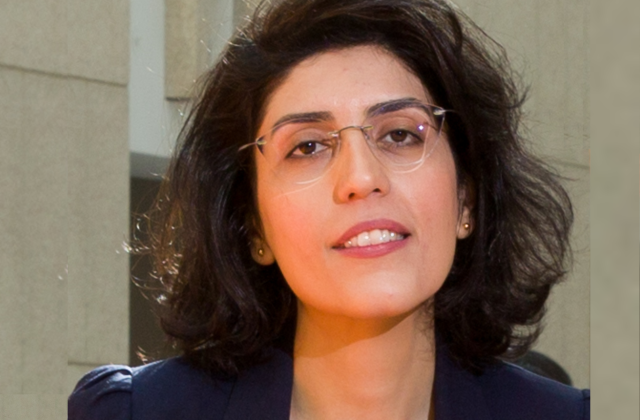
Assistant Professor, York University
Maleknaz is an Assistant Professor at York University in Toronto. Before that she was a professor at Ecole Polytechnique of Montreal. She received her PhD degree from Software Engineering Decision Support (SEDS) lab at The University of Calgary in Canada. Maleknaz has been working on software open innovation with a focus on the platform mediated software products. She is one of the main collaborators on DEEL Collaborative Research and Development Grants with a total value of 2M dollars. She was also a professor of IVADO data science institute with the role of fostering cross-disciplinary collaboration with industry.
She has six years of professional software engineering experience. Her main research interests are in mining software repositories for open innovation in two-sided markets. Maleknaz co-chaired SANER 2020 ERA track, ESEM 2020 Emerging ideas track, RE data track 2018, IASESE 2018 advanced school, and several workshops. Maleknaz is a member of the IEEE and ACM. Maleknaz leads a team of students and associates on analytical methods for decision support in software innovation in society.
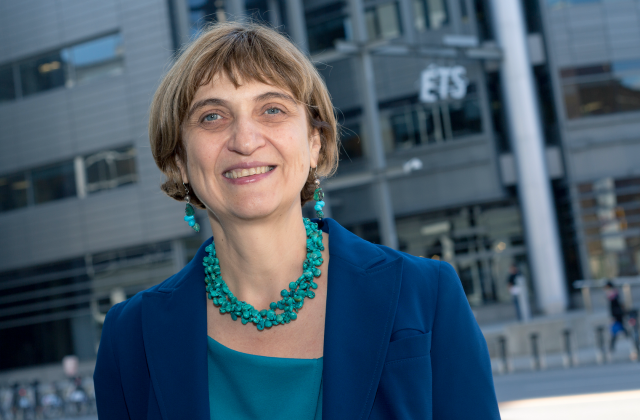

Professeure titulaire, Département de mathématiques et de génie industriel, Polytechnique Montréal
Nathalie de Marcellis-Warin est professeure titulaire à Polytechnique Montréal dans le département de Mathématiques et Génie Industriel et Visiting Scientist au Harvard Center for Risk Analysis, Department of Environmental Health à Harvard T. Chan School of Public Health. Elle a obtenu une maitrise de Mathématiques Appliquées et Sciences Économiques et Sociales de l’Université Aix-Marseille III (major de promotion) et un Diplôme d’Etude Approfondie (DEA) en Théorie de la Décision et Microéconomie des Risques de l’École Normale Supérieure de Cachan (major de promotion). En 2000, elle obtient un doctorat de l’École Normale Supérieure (Cachan, France) en Sciences de Gestion (spécialisation gestion des risques et assurance). Dès la fin de son doctorat, elle obtient la bourse d’Excellence Jean Walter Zellidja de l’Académie Française et rejoint le Centre Interuniversitaire de recherche en Analyse des Organisations (CIRANO) pour effectuer un post-doctorat dans l’équipe du professeur Bernard Sinclair-Desgagné. En 2002, elle devient directrice de projets de l’Axe Risques technologiques, environnementaux et à la Santé (RTES) puis en 2004 chercheure du Groupe Risque. En 2009, elle est nommée Fellow et vice-présidente des groupes Risques et Développement durable. Elle est aussi membre associée du Centre interuniversitaire de recherche, réseau d’entreprise, logistique et transport (CIRRELT) et du Centre interuniversitaire de recherche sur la science et la technologie (CIRST).
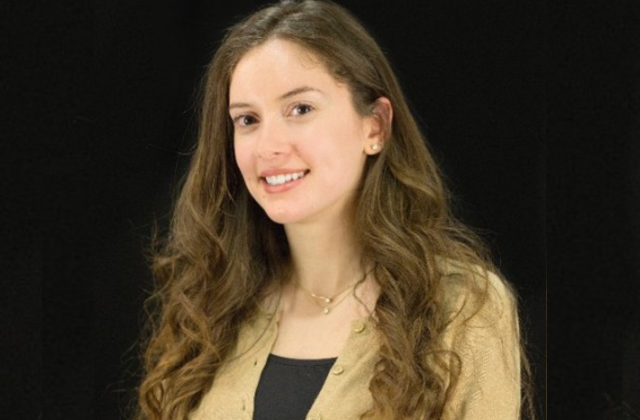
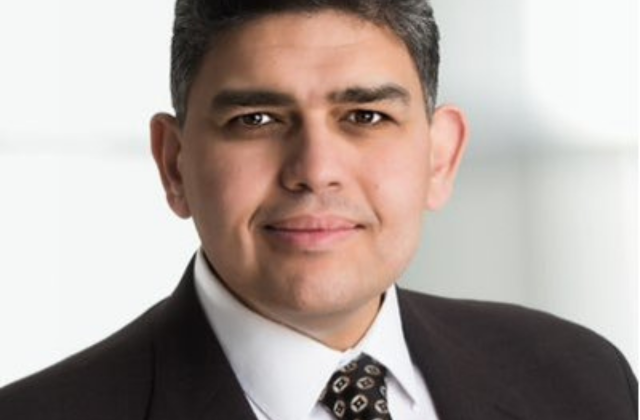
Professor, School of Computing, Queen’s University
Ahmed E. Hassan is the NSERC/RIM Industrial Research Chair in Software Engineering for Ultra Large Scale systems and the Canada Research Chair in Software Analytics at the School of Computing in Queen’s University. Dr. Hassan spearheaded the organization and creation of the Mining Software Repositories (MSR) conference and its research community. He co-edited special issues of the IEEE Transaction on Software Engineering and the Journal of Empirical Software Engineering on the MSR topic. Early tools and techniques developed by Dr. Hassan’s team are already integrated into products used by millions of users worldwide. Dr. Hassan industrial experience includes helping architect the Blackberry wireless platform at RIM, and working for IBM Research at the Almaden Research Lab and the Computer Research Lab at Nortel Networks. Dr. Hassan is the named inventor of patents at several jurisdictions around the world including the United States, Europe, India, Canada, and Japan. Dr. Hassan received the Ph.D., MMath, and BMath degrees from the School of Computer Science at the University of Waterloo in Canada.

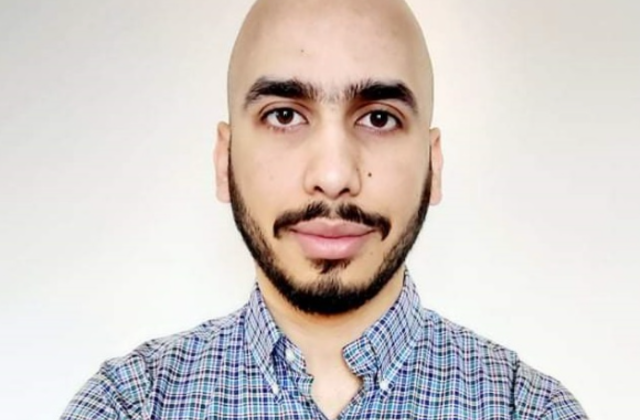
Étudiant au doctorat en informatique, Polytechnique Montréal